Financing & Sustaining Innovation

This week I will be featuring the Multidisciplinary Association for Psychedelic Studies (MAPS) organization that was founded by Rick Doblin in 1986. I have mentioned this organization several times throughout prior blog posts, but this one will go into greater depth about the organization and the founder. Healthcare financing and strategies for sustaining innovation will be the primary topic and is relevant because Rick and his organization have firsthand experience with both financing and innovation in the world of psychedelics. MAPS is a 501(c)(3) non-profit research and educational organization. This means that it has been approved by the Internal Revenue Service (IRS) as exempt from federal income tax and that individuals can take a tax deduction on any donations to the organization. MAPS relies on the donations of individuals because no funding is available from governments, pharmaceutical companies, or major foundations. 501(c)(3) organizations are prohibited from supporting political candidates or conducting political campaign activities. However, they can lobby but can lose their tax-exempt status if a substantial part of activities is attempting to influence legislation (IRS, 2019). Involving themselves in issues of public policy, such as educational meetings or seminars, is not considered lobbying by the IRS (IRS, 2019). Interestingly, MAPS owns a subsidiary called MAPS Public Benefit Corporation (MAPS BC). A Public Benefit Corporation (PBC) pays taxes, operates for profit, spends profits on a specific benefit to the public, and is intended to be more transparent, sustainable, and accountable than a traditional corporation (Stracqualursi, 2017). The financial reports consolidate information from MAPS and MAPS BC. The 2017-2017 fiscal year showed approximately $5.9 million in net revenue from donors, events, sales, grants, and investments (MAPS, 2017). About 50% of that came from individuals and family foundations (MAPS, 2017). Rick stated that there might be fundraising challenges on the path to FDA approval for the prescription use of MDMA-assisted psychotherapy as the project needs approximately $26 million to complete Phase 3 trials. He emphasized the need to discuss the potential commercialization of psychedelic-assisted psychotherapy, particularly with the recent epidemic that has increased social stress, anxiety, depression, and trauma. Likely, the need for treatment and subsequent access to coverage through insurance will increase once the treatment is approved by the FDA. His goal is to obtain insurance coverage for MDMA-assisted psychotherapy and then obtain prescription use and insurance coverage for other psychedelics. MAPS is innovative to its core, as the very idea of psychedelics in therapy goes against current mainstream thinking. MAPS has chosen an anti-patent strategy to support the benefit for humanity. They do not oppose for-profit companies but believe that non-profit and PBC’s can help keep the focus on patients first and profits second. With the current situation regarding COVID-19 some of MAPS clinical trials have been postponed. It is unclear what impact this may have on the projected Phase 3 trial completion (anticipated for 2021) and subsequent FDA approval (anticipated 2022).

Financing and strategies for sustaining innovation are important for any organization to discuss. Particularly in times of uncertainty or economic downturn like we are currently experiencing. The ability to adapt, modify, and change processes quickly is important for survival.

References

MAPS. (2017). FY 2016-2017 financial report. Retrieved from https://maps.org/about/fiscal/7193-fy-2016-2017-financial-report

Internal Revenue Service (IRS). (2019). Lobbying. Retrieved from https://www.irs.gov/charities-non-profits/lobbying

Stracqualursi, M. (2017). The rise of the public benefit corporation: Considerations for Start-UPS — BC law lab. Retrieved from https://bclawlab.org/eicblog/2017/3/21/the-rise-of-the-public-benefit-corporation-considerations-for-start-ups


Technology & Entheogens

This week I will discuss the impacts of technology innovations and implications for data and privacy related to psychedelic-assisted psychotherapy. At this time, I am unaware of any technology innovations that directly linked, but many existing technologies are used and support the topic. A few that come to mind are electroencephalography (EEG), magnetic resonance imaging (MRI), and laboratory serum analysis. These technologies are no longer considered innovative, but they are still relevant. These tools have allowed researchers to provide facts and evidence on how hallucinogens work in the brain, supporting their therapeutic use. A 2019 study showed an increase in brain-derived neurotrophic factor (BDNF) from a singled-dose of ayahuasca, supported via serum analysis (Almeida et al., 2019). Increases in glutamate release from the prefrontal cortex after ketamine administration were supported by the use of carbon-13 magnetic resonance spectroscopy (13C MRS) in a 2018 study (Abdallah et al., 2018). Administration of psilocybin at three different intervals demonstrated increased sensory, brain-wide connectivity, and was supported by MRI’s at each interval (Preller et al., 2020). Although benefits can be measured using other tools, they are not as concrete as the biological changes that can be observed using some of the technologies discussed previously.

Other technologies that are relevant and have led us to this conversation are information dissemination tools. Without the internet and vast access to databases of research knowledge available worldwide, research and advancement in knowledge would be stymied. The dissemination of new information to the public can also help to change opinions and perceptions, reducing resistance to the therapeutic use of hallucinogens. Knowles (2018) states that blockchain and cryptocurrency have and could be used more in the availability of knowledge and funding of psychedelic research. I think the most significant concerns for data and privacy would be employers or others gaining access to knowledge about an individual’s treatment and the judgment or discrimination that might follow. Judgment is a significant barrier. Branson-Potts (2019) discusses how using terms like “magic mushrooms,” “hallucinogens,” and “psychedelic” all carry a stigma implying recreational or irresponsible use and instead advocates for using the term entheogen. Entheogens are substances ingested to produce nonordinary states of consciousness for religious or spiritual purposes and more accurately reflects the benefits (Branson-Potts, 2019). I would agree with that statement; specific terms often carry weight and can elicit various emotional responses. I am not advocating for the recreational or indiscriminate use of psychedelics, entheogens, or whatever term might be used; instead, I am advocating for their use in attempting to heal the suffering that many people experience.

Older technologies are supporting and providing evidence for new innovative research. As we refine and improve old technologies and our ability to measure the effects of interventions on the brain increase, research and therapeutic use of entheogens may also increase. In addition to improving old technologies, we must update our language, perceptions, and knowledge of entheogens.

References

Abdallah, C. G., De Feyter, H. M., Averill, L. A., Jiang, L., Averill, C. L., Chowdhury, G. M., … Mason, G. F. (2018). The effects of ketamine on prefrontal glutamate neurotransmission in healthy and depressed subjects. Neuropsychopharmacology43(10), 2154-2160. doi:10.1038/s41386-018-0136-3

Almeida, R. N., Galvão, A. C., Da Silva, F. S., Silva, E. A., Palhano-Fontes, F., Maia-de-Oliveira, J. P., … Galvão-Coelho, N. L. (2019). Modulation of serum brain-derived neurotrophic factor by a single dose of Ayahuasca: Observation from a randomized controlled trial. Frontiers in Psychology10. doi:10.3389/fpsyg.2019.01234

Branson-Potts, H. (2019). A heady effort to lift psychedelics’ stigma; even supporters say they’re surprised by success of measures to decriminalize magic mushrooms. Los Angeles Times Retrieved from http://login.ezproxy1.lib.asu.edu/login?url=https://search-proquest-com.ezproxy1.lib.asu.edu/docview/2244498173?accountid=4485

Knowles, A. (2019). Blockchain Will Power The Future Of Psychedelic Psychotherapy. Existential Analysis: Journal of the   Society for Existential Analysis, 30(1), 18–27.

Preller, K. H., Duerler, P., Burt, J. B., Ji, J. L., Adkinson, B., Stämpfli, P., … Vollenweider, F. X. (2020). Psilocybin induces time-dependent changes in global functional connectivity. Biological Psychiatry. doi:10.1016/j.biopsych.2019.12.027

Private Sector: Innovation in the United States and around the Globe

I have discussed several private sector institutions regarding this topic in previous posts and in the health policy brief. But for review, the major private innovators in the United States (US) regarding the use of psychedelics are the Multidisciplinary Association for Psychedelic Studies (MAPS) and John Hopkins Center for Psychedelic Consciousness and Research (CPCR). Because of the regulations and taboo nature of psychedelics, their use in the treatment of mental health disorders is inherently innovative. However, since they have been used by spiritual traditions as a method of healing for hundreds of years, and one might also argue that they are not innovative at all. Yet innovation in this context could be defined as the use of an idea/treatment that was previously believed to hold no value or merit and now demonstrates promise within modern medicine.

In January of 2020, the Federal Drug Administration (FDA) agreed to an expanded access program for patients diagnosed with PTSD (MAPS, 2020). The program allows MAPS to enroll 50 patients at ten sites within the US for treatment with MDMA-assisted psychotherapy. The expanded access protocol is still required to be approved by the DEA and the IRB, but MAPS does not anticipate any concerns about gaining these approvals. MAPS currently has Phase 3 clinical trials for MDMA-assisted psychotherapy and is expected to be completed in 2021. MDMA-assisted psychotherapy has a breakthrough therapy designation by the FDA. John Hopkins CPCR has multiple ongoing studies with psilocybin. Their studies, along with others, continue to demonstrate psilocybins efficacy in the treatment of depression, addiction, and other mental health disorders. They believe that if psilocybin is approved as a medication that it would be appropriate to place it into the Schedule IV category (John Hopkins, n.d.).

Around the world, hallucinogen laws and research vary. China has some of the strictest drug laws, and drug addiction treatment is controlled by law enforcement (Meng & Burris, 2013). Drug-users are required to be registered with the police, and individuals undergoing methadone treatment are required to be approved by the police before the start of treatment. No active research on hallucinogens in China could be found. Brazil, Jamaica, and the Netherlands have some of the most relaxed laws for hallucinogens. The University of the West Indies in Jamaica received funding from a Canadian company in 2019 to develop a research and cultivation facility for psilocybin mushrooms (Field Trip Ventures, 2019). The barriers for research in Jamaica are far less than for other countries because of the legal status of psilocybin. Although the UK and much of Europe model the US in terms of restrictions on hallucinogens, research is being done. The Beckley Foundation in the UK and the University of Zurich in Switzerland have several current and past studies with hallucinogens that show promise.

Although the primary focus of the blog is policy within the United States, I believed it was appropriate to include a perspective on laws and research advancements from around the world. By doing so, we see that others are also interested and have found merit in this research. We can learn and develop new policies and perspectives within the US by learning from those who have different policies than our own.

Field Trip Ventures. (2019, September 19). Field Trip Ventures Inc. partners with the University of the West Indies to create the world’s first legal Research and cultivation facility for psilocybin. Retrieved from https://www.prnewswire.com/news-releases/field-trip-ventures-inc-partners-with-the-university-of-the-west-indies-to-create-the-worlds-first-legal-research-and-cultivation-facility-for-psilocybin-300921399.html

John Hopkins. (n.d.). Center for Psychedelic & Consciousness Research. Retrieved from https://hopkinspsychedelic.org/index/#research

Multidisciplinary Association for Psychedelic Studies. (2020, January 17). Press release: FDA agrees to expanded access program for MDMA-assisted psychotherapy for PTSD. Retrieved from https://maps.org/news/media/8008-press-release-fda-agrees-to-expanded-access-program-for-mdma-assisted-psychotherapy-for-ptsd

Meng, J. & Burris, S. (2013). Chinese drug laws: Police-controlled approach to drug abuse. National Institute on Drug Abuse. Beasley School of Law, Temple University, United States.

Influence of the public sector

Most of the focus for the blog has been on the government institutions involved. This post will focus on the influence of public sector institutions on psychedelic-assisted psychotherapy and hallucinogen research. One major institution that I have previously mentioned is the Multidisciplinary Association for Psychedelic Studies (MAPS), a non-profit research and educational organization advocating the benefit of psychedelics. They currently have several ongoing research projects with MDMA, LSD, Ibogaine, Ayahuasca, and medical Marijuana. In addition, they offer MDMA Therapy Training. The Zendo Project is sponsored by MAPS and provides a supportive environment with specialized care for people having difficult psychedelic experiences. They provide this support at popular social events that are associated with psychedelic use. The Center for Psychedelic and Consciousness Research at John Hopkins University is conducting several studies on psilocybin and its use for substance use disorders, Alzheimer’s disease, major depressive disorder, and post-traumatic stress disorder. They are considered the leading psychedelic research institution in the United States and are committed to exploring innovative treatments. The Heffter Research Institute is a non-profit organization created to design, review, and fund leading studies on psilocybin at institutions in the United States and Europe. The Usona institute is another non-profit organization that supports and conducts research into psilocybin and other hallucinogens. The marijuana industry is worth billions of dollars and has contributed significantly to the US economy. Understanding the potential financial gain for manufacturers of hallucinogens and others is an important aspect to keep in mind when discussing the future of this topic.

 So far, I have listed organizations that are supportive but not mentioned those who may be opposed. The opposition to the therapeutic use of these substances may be related to safety (mental and physical) or morality. There may be fear related to its misuse and abuse, fear related to the limited knowledge regarding mental or physical benefits, or simply a disbelief in the need for its use. Potential opposition maybe by Drug Abuse Resistance Education (DARE) or Citizens Legalizing Marijuana (CALM) (the organization is also opposed to any law attempting to undermine the Federal Controlled Substances Act). Religion can impact aspects of an individual’s medical care. In 2014, the highest authority in Shi’ite Islam stated that entheogens were acceptable for use, permitted they were taken with a trained specialist. No other major religions appear to be on either side of this discussion as of yet.

There are several private institutions on both sides of this issue however, both can agree that the recreational, purposeless use is not beneficial. As more clinical trials are conducted and conversations about psychedelic use increase, more groups will likely (and should) get involved in the discussion.

References

Citizens Against Legalizing Marijuana. (n.d.). CALM USA. Retrieved from https://calmca.org/

Drug Abuse Resistance Education. (n.d.). About. Retrieved from https://dare.org/about/#MissionVision

Evans, P. (2019, May 7). 8 incredible facts about the booming US marijuana industry. Retrieved from https://markets.businessinsider.com/news/stocks/weed-us-marijuana-industry-facts-2019-5-1028177375#the-marijuana-industry-could-soon-be-worth-more-than-the-gdp-of-9-us-states1

Farah, T. (2018, June 15). Iranian Religious Authority Considers Psychedelic Medicines Halāl. Retrieved from https://psychedelictimes.com/irans-top-religious-leader-approves-therapeutic-use-psychedelics/

Major players: past and present

In my first post, I discussed the Controlled Substances Act and the Comprehensive Drug Abuse Prevention and Control Act of 1970 (current statutory and regulatory mechanisms), and the process for changing the schedule of a drug. Listed below are the current government institutions relevant to the discussion of hallucinogen research.

The executive branch of the government includes most of the institutions relevant to this topic and includes the following:

The Office of National Drug Control Policy (Executive Office of the President; responsible for establishing policies, objectives, priorities, and performance measurements for the National Drug Control Program).

United States Department of Justice, which includes the Drug Enforcement Administration (enforces the United States’ controlled substance laws and regulations and aims to reduce the supply of and demand for such substances).

The Department of Health and Human Services (protects the health of all Americans and provides essential human services) and is the parent agency to all of the following:

The National Institutes of Health [NIH] (the primary Federal agency for conducting and supporting medical research).The NIH includes: The National Institute of Mental Health (conducts and supports research that seeks to understand, treat, and prevent mental illness) & The Substance Abuse and Mental Health Services Administration (works to improve substance abuse and mental health treatment services).

The Food and Drug Administration (responsible for protecting public health regarding drugs, medical devices, food, and cosmetics).

The Agency for Healthcare Research and Quality (supports research to improve the quality, safety, efficiency, and effectiveness of health care).

Currently, the Multidisciplinary Association for Psychedelic Studies [MAPS], is the major private organization spearheading research and education on psychedelics. It was founded in 1986 as a non-profit organization by Rick Doblin, P.h.D. His 2019 TedTalk is featured on this blog.

I also mentioned in my first post that Dr. Timothy Leary and Dr. Richard Alpert were major actors early in psilocybin research at Harvard University in the ’60s. However, even before the dismissal of their project and work, the Central Intelligence Agency [CIA] had already been experimenting with the use of a different hallucinogen, LSD. The CIA Project MK-Ultra (1953) supported LSD research at around 80 institutions such as colleges, universities, hospitals, prisons, and pharmaceutical companies (Horrock, 1977). The CIA, a government agency, was responsible for introducing LSD into America (Stratton, 2017). The pharmaceutical company, Eli Lilly and Richard Pioch patented an analog of LSD in the 1950s (Pioch & Lilly Co, 1961). This history is relevant because it may impact current government officials and how they view the government’s role in this research.

References

Barth, C.B. & Ferriero, D.S. (2013, July, 1). The United States Government Manual. Office of the Federal Register. National Archives and Records Administration. Retrieved from https://www.govinfo.gov/content/pkg/GOVMAN-2013-11-06/pdf/GOVMAN-2013-11-06.pdf

Horrock, N. M. (1977, August 4). 80 Institutions used in C.I.A. mind studies. The New York Times, 36. Retrieved from https://www.cia.gov/library/readingroom/docs/CIA-RDP99-00498R000100110072-2.pdf

Pioch, R.P. & Lilly Co., Eli. (1961). U.S. Patent No. 2997470A. Washington, DC: U.S. Patent and Trademark Office.

Stratton, R. (2017, June 16). MK-Ultra [Television series episode]. In A&E Television Networks (Producer), MK-Ultra. Retrieved from https://www.history.com/topics/us-government/history-of-mk-ultra

Ethical considerations & Hallucinogens

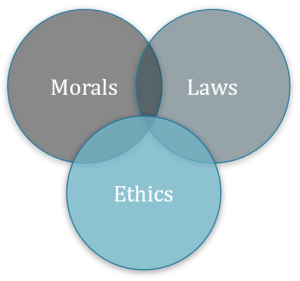
Healthcare policy impacts many areas because health is a function of numerous intersecting variables, commonly referred to as health determinants (Longest, 2009). These variables include human biology and behavior, social and physical environments, policies and interventions, and quality health services ( Healthy People, 2019). Health policies are established at federal, state, and local levels and generally impact a group of individuals or a type of organization (Longest, 2009). Because health policies can affect several areas, it is critical that leaders carefully evaluate potential consequences and ethical dilemmas. The primary goal of health policy, from the perspective of the government, is to enhance health or aid its pursuit. This is important to keep in mind as we dive deeper into the ethical impact of healthcare policy and the role of ethics surrounding hallucinogenic drugs and their respective policies.

                    Longest (2009) recommends that policymaking should be guided by four philosophical principles: respect for autonomy, justice, beneficence, and nonmaleficence. The Patient Self-Determination Act of 1990 gave individuals the ability to make decisions about their medical care: freedom of choice and the right to the integrity of body and mind. Opposite of this is Paternalism, where someone else determines what is best for people (Longest, 2009). The principle of justice posits that all people should have equal access to the benefits of health services. Beneficence is reflected in policies that provide tangible benefits and seek to do good. Nonmaleficence is strongly linked with medical ethics and “do no harm.” This principle is evident in policies ensuring the safety and quality of medical products and care.

                    All of the principles described above are related to the topic of psychedelic medicine, but autonomy seems to stand out the most. The current scheduling of psychedelics limits extensive research, as I discussed in my first post. Preliminary clinical trials have demonstrated efficacy in the treatment of certain mental health disorders. The primary goal of health policy is to enhance health and aid its pursuit. Limiting research into drugs that could help those who are suffering is in direct opposition to the primary goal of health policy and the autonomy of individuals. As a health professional, I also understand the responsibility we have to “do no harm.” Thus, beneficence and nonmaleficence also play a large role if a change to the classification of these drugs is to occur.

                    In 1968, American Psychologist Charles Tart stated, “despite our professional status, we have no real control over who will and will not use psychedelics” (Tart, 1968, pp.456). He further discusses how we do very little as a culture to provide guiding information to influence how they are used. Knowing that individuals are autonomous and have the right to pursue health according to their values and beliefs, we can lean into viewing this as an opportunity to guide individuals who choose this route.  The risk to participants in drug trials may be justified if the trial has significant clinical or social value. Peterson, Tagliazucchi, and Weijer (2019) state that appropriate questions to pose would be: is the trial’s research question relevant to answering an insistent clinical hypothesis, and does it address a significant scientific or social problem? With the opiate crisis remaining an issue, and individuals with treatment-resistant mental health disorders, alternative treatments are necessary. Allowing more clinical trials may help to discover other efficacious treatment for this significant social problem. Hallucinogens do not produce neurotoxic effects, have a low-risk of dependence, and do not produce withdrawal (Johnson, Richards, & Griffiths, 2008). Strategies for safety in trials include psychiatric screening, use of monitors/facilitating staff, development of a therapeutic relationship, a comfortable, relaxing environment, education on a range of possible experiences, and the availability of medical staff to treat any acute or adverse reactions (Johnson, Richards, & Griffiths, 2008).

                    The overarching goal is to improve the efficacy of treatment for individuals who are suffering. Harmful effects can be minimized in a controlled clinical environment. Individuals have a right to medical care that may benefit them, regardless of the judgments, opinions, and false perceptions of others. Policymakers resistant to change should explore any limiting beliefs they may have about hallucinogens.  If we can remain focused on helping others and adhere to strict ethical principles, then change in this arena is possible. 

References

Healthy People 2020. (2019, April 1). https: //www.cdc.gov/nchs/healthy_people/hp2020.htm

Johnson, M. W., Richards, W. A., & Griffiths, R. R. (2008). Human hallucinogen research: Guidelines for safety. Journal of Psychopharmacology, 22(6), 603-620. doi:http://dx.doi.org.ezproxy1.lib.asu.edu/10.1177/0269881108093587

Longest, B. B. (2009). Health Policymaking in the United States (5th ed.). Chicago, IL: Health Administration Press.

Peterson, A., Tagliazucchi, E., & Weijer, C. (2019, August 6). The ethics of psychedelic research in disorders of consciousness. Neuroscience of Consciousness, 5(1). https://doi.org/10.1093/nc/niz013

Tart, C. T. (1968). Ethics and psychedelic drugs. American Psychologist, 23(6), 455-456. doi:http://dx.doi.org.ezproxy1.lib.asu.edu/10.1037/h0037712

The Story: A trip down memory lane

History, relevance, and current position

The word psychedelic can be defined as a mental state characterized by a profound sense of intensified sensory perception, sometimes accompanied by severe perceptual distortion and hallucinations and by extreme feelings of either euphoria or despair (Psychedelic, 2020). Psychedelic substances have been referred to as entheogens. An entheogen is a psychoactive substance that induces a spiritual experience, aimed at personal development or sacred use (Korn, 2018). Humans have used entheogens for thousands of years, for example, Native Americans and peyote, Urarina shaman and ayahuasca, and indigenous Siberians and Amanita muscaria. In the 1960s and ’70s in the United States, psychedelic substances became part of the counterculture and were used irresponsibly and indiscriminately, ultimately leading to their criminalization and the shut down of research.

Current legislation around these substances is outlined in the Controlled Substances Act and the Comprehensive Drug Abuse Prevention and Control Act of 1970. The Controlled Substances Act places all substances regulated under federal law into one of five schedules. The placement is dependent on medical use, the potential for abuse, and safety or dependence liability. Schedule I criteria are as follows: the drug has a high potential for abuse, the drug or other substance has no currently accepted medical use in treatment in the United States, and there is lack of accepted safety for use of the drug or other substance under medical supervision (Drug Enforcement Agency & U.S. Department of Justice [DEA & DOJ], 2017). Current schedule I hallucinogens include MDMA, LSD, DMT, Psilocybin, Peyote, and Mescaline. Marijuana is not a hallucinogen but is currently listed as a Schedule I.

In 1999 Ketamine became a Schedule III. The schedule change was proposed by the American Animal Hospital Association (AAHA), the American Veterinary Medical Association (AVMA), the American Association of Equine Practitioners (AAEP), and a practicing veterinarian (“Schedules of Controlled,”1999). The process to add, delete, or change the schedule of a drug can be done by any of the following: Drug Enforcement Administration (DEA), Department of Health and Human Services (HHS), the manufacturer of a drug, a medical society or association, a pharmacy association, a public interest group concerned with drug abuse, a state or local government agency, or an individual citizen (DEA & DOJ, 2017). Schedule I further specifies that all use is prohibited except within research and very limited medical purposes in scientific establishments that are directly under control of the government or specifically approved by them (Butt, King, & Nichols, 2013). The DEA is the agency that gives this approval. The decision to list LSD, psilocybin, MDMA, and other hallucinogens as Schedule I was not based on consideration of physical harm but rather the assumption that there were no medical benefits (Nutt, King, & Nichols, 2013). This is how drugs like opiates, with high abuse potential, managed to be schedule II instead of I. The criminalization and legal consequences of drug possession can be extreme and damage individuals and families (Nutt, King, & Nichols, 2013). Penalization of illegal drug possession continues to severely limit the neuroscientific research and the discovery of new treatments (Nutt, King, & Nichols, 2013).

The widespread perception that because a substance is classified as a Schedule I mean that it poses a significant risk to humans is still widespread among lawmakers and the general public. This perception is generally incorrect and current regulations are based on this misperception further inhibiting research (Nutt et al, 2013). In the United Kingdom, it is easier to study heroin than it is to study MDMA or psilocybin. If a researcher is able to gain the necessary approvals and licensing required for research, they would then be faced with the difficulty of obtaining the substance. Because these drugs are not manufactured by standard companies the cost of custom synthesis is often too high (Iserson, 2019). Furthermore, companies that can synthesize these drugs are often reluctant to do so because it requires extensive documentation, a controlled substance manufacturer’s license, controlled storage (Iserson, 2019). Gaining grants for the research of schedule I drugs is also difficult seemingly because of the perception of these substances. MAPS used MDMA to treat PTSD and demonstrated that 80% of patients showed benefits up to one year later opposed to 20% that received a placebo (Nutt et al, 2013). LSD demonstrated efficacy in the treatment of alcohol use disorder (Nutt et al, 2013). The ability to research these drugs and their mechanisms of action could lead to the development of new therapeutic treatment.

In 2018, the DEA opened a dedicated web portal to improve efficiency, security, and application speed for researchers who want to study Schedule I substances (“DEA Speeds Up,” 2018). The DEA administrator stated “Research is the bedrock of science… and we will continue to support and promote legitimate research with Schedule I controlled substances” (“DEA Speeds Up,” 2018). However, the significant legal, financial, and scientific barriers limitations to research still remain. There is a limited process for the review of scheduling at national and international levels. Nutt et al (2013) state that once a drug is classified under Schedule I, it becomes extremely difficult to research it, thus limiting any potential for medical discovery/use. There is no standard for moving drugs out of Schedule I after medical benefits have been found. This continues to limit the potential for research and treatment.

Additional scientific evidence for the use of the controlled substances could help decrease the stigma associated with their use and promote the controlled, therapeutic use (Andreae et al., 2016). Considering the ubiquitous and socially acceptable use/abuse of incredibly detrimental substances such as alcohol and tobacco, it raises concerns regarding the agendas beneath these policies. Current treatments for mental health and substance use disorders have mixed effectiveness. We should always be striving to develop new and improved treatment options to improve the outcomes for those who are suffering.

Timothy Leary discusses the use of LSD in the mental health field and emphasizes the regulation of its use.

References

Andreae, M. H., Rhodes, E., Bourgoise, T., Carter, G. M., White, R. S., Indyk, D., … Rhodes, R. (2016). An Ethical Exploration of Barriers to Research on Controlled Drugs. The American journal of bioethics : AJOB, 16(4), 36–47. doi:10.1080/15265161.2016.1145282

DEA speeds up application process for research on schedule I drugs. (2018). Retrieved from https://www.dea.gov/press-releases/2018/01/18/dea-speeds-application-process-research-schedule-i-drugs

Drug Enforcement Agency & U.S. Department of Justice. (2017). Drugs of abuse, a DEA resource guide. Retrieved from https://www.dea.gov/sites/default/files/drug_of_abuse.pdf

Iserson, K. V. (2019). “Go Ask Alice”: The Case for Researching Schedule I Drugs. Cambridge Quarterly of Healthcare Ethics, 28(1), 168–177. https://doi-org.ezproxy1.lib.asu.edu/10.1017/S0963180118000518

Korn, L. (2018). Entheogens & Psychedelic Medicine [Lecture notes]. Retrieved from PESI, Inc.: https://catalog.pesi.com/viewer/classroom/3144435

Nutt, D. J., King, L. A., & Nichols, D. E. (2013). Effects of Schedule I drug laws on neuroscience research and treatment innovation. Nature Reviews Neuroscience, 14(8), 577–585. https://doi-org.ezproxy1.lib.asu.edu/10.1038/nrn3530

Psychedelic. (2020) In Dictionary.com Unabridged. Retrieved from https://www.dictionary.com/browse/psychedelic

Schedules of Controlled Substances: Placement of Ketamine into Schedule III, 21 CFR Part 1308 Federal Register. (1999). Retrieved from https://www.deadiversion.usdoj.gov/fed_regs/rules/1999/fr0713.htm

Design a site like this with WordPress.com
Get started